Mangrove Marina News

News for Tavernier and the Florida Keys

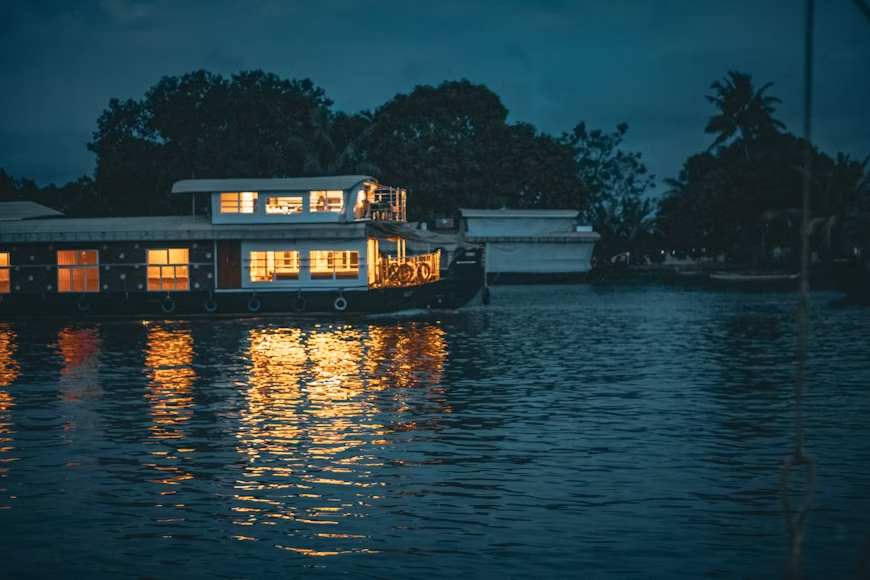
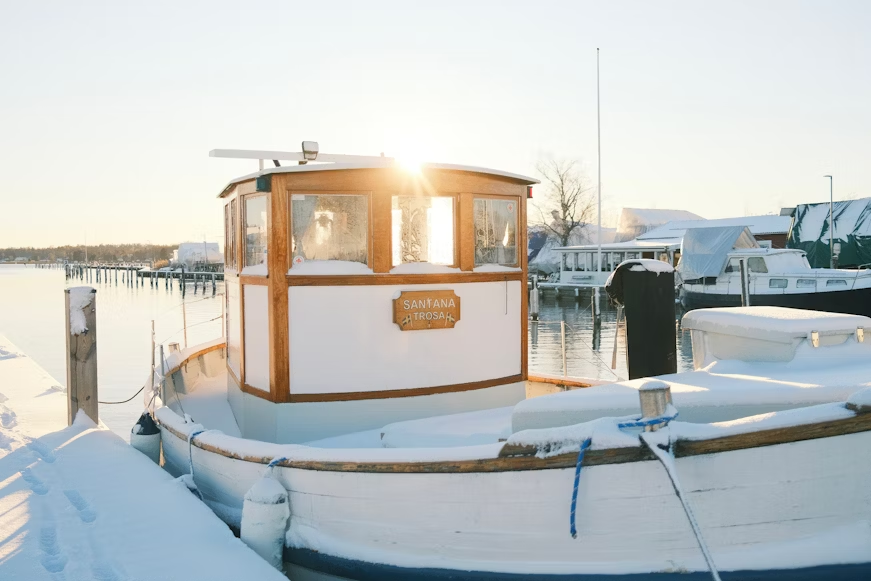
Traditional wooden houseboat docked on calm water, symbolizing durability, craftsmanship, and houseboat longevity.

Houseboat Longevity: A Complete Guide

The allure of houseboats – those floating sanctuaries that blend the comfort of home with the adventure of the sea. Whether you’re eyeing a cozy pontoon for weekend getaways or a luxurious liveaboard in the Florida Keys, understanding houseboat longevity is key to making a smart investment. 

This comprehensive guide delves into houseboats, examining their durability, the factors that influence their lifespan, and practical tips inspired by locations like Mangrove Marina in Tavernier. We’ll answer common questions, uncover hidden insights, and equip you with knowledge to extend your houseboat’s life. From materials to maintenance, let’s navigate the world of houseboats and discover how to make yours endure for decades.

Unveiling the Secrets of Houseboat Longevity

Houseboat lifespan varies widely, influenced by construction, care, and environment, but many can sail through 30-50 years or more. This section explores the core factors that determine how long your floating home will last.

What Do People Ask About How Long Do Houseboats Last?

Curiosity about houseboat lifespan often revolves around average durations and what shortens or extends it. Common queries include: Do materials matter more than location, and how does saltwater affect longevity?

People frequently ask if houseboats outlast traditional homes. On average, a well-maintained houseboat’s lifespan reaches 30-50 years, with some fiberglass models enduring 60+ years. Questions also arise about costs, expect $10,000-$50,000 in upkeep over a decade to maximize houseboat lifespan. For those in Florida, Mangrove Marina’s working yard offers haul and paint services for $25/foot, helping preserve your vessel’s integrity.

Is There More to Know About How Long Houseboats Last?

Beyond averages, houseboat lifespan hinges on innovative designs and adaptive care strategies. There’s more to uncover about modern advancements and regional challenges in places like the Keys.

Houseboat lifespan isn’t just about age; it’s about resilience. Aluminum hulls can last 40-60 years with proper houseboat maintenance, resisting corrosion better in humid Florida climates. 

Solar-powered systems in newer models reduce wear on electrical components, potentially adding years to houseboat lifespan. At Mangrove Marina’s fuel facilities, you can access eco-friendly options to support this.

How Long Do Houseboats Last?

Houseboat lifespan is tied to fascinating stats, like market growth and real-world examples. FAQs often cover resale value and signs of aging.

The global houseboat market is booming, with durable models like those at Mangrove Marina lasting longer in hurricane holes. Can renovations extend houseboat lifespan? Yes, a full refit can add 10-20 years. 

Wooden houseboats have a shorter 20-30 year span due to rot, but coatings help. For storage that protects longevity, Mangrove Marina’s dry racks shield from elements.

Factors Influencing Houseboat Lifespan

Houseboat lifespan depends on materials, environment, and upkeep, with Florida’s conditions adding unique twists. Understanding these helps you choose wisely for lasting enjoyment.

Materials play a starring role in a houseboat’s lifespan. Fiberglass, the most common, offers 40-50 years of durability, resisting UV damage better than steel, which rusts in saltwater. Environment matters too; houseboats in calm lakes outlast those in stormy seas, but protected spots like Mangrove Marina’s wet slips mitigate risks. 

Houseboat maintenance, like regular hull inspections, is crucial; neglect can halve houseboat lifespan. In the Keys, humidity accelerates wear, so anti-fouling paints are essential. Usage impacts it; full-time liveaboards wear faster than seasonal ones, but proper care evens the odds.

Maintenance Tips to Extend Houseboat Lifespan

Proactive care is the secret to maximizing houseboat lifespan, turning potential issues into minor fixes. These strategies keep your floating home thriving in Florida’s waters.

Routine houseboat maintenance boosts lifespan dramatically. Clean hulls quarterly to prevent barnacle buildup, which can shorten houseboat lifespan by causing drag and corrosion. Electrical systems need annual checks to avoid fires, a common lifespan killer. 

At Mangrove Marina’s mechanic racks, pros handle these tasks efficiently. Winterizing in the off-season protects engines, extending houseboat lifespan up to 10 years. Use UV-protectant sprays on decks and invest in covers for storage via Mangrove Marina’s dry racks. Monitor for leaks early; small drips can lead to major rot, slashing houseboat lifespan.

Signs Your Houseboat is Nearing the End of Its Lifespan

Recognizing wear is vital to avoid costly surprises and decide on repairs or replacement. These indicators signal when a houseboat’s lifespan is waning.

Structural cracks or soft spots on decks hint at declining houseboat lifespan, often from water intrusion. Fading paint and persistent odors suggest mold, cutting houseboat lifespan short. Engine troubles, like frequent breakdowns, indicate it’s time for an overhaul or upgrade. 

In Florida, check for osmotic blisters on fiberglass hulls, a saltwater issue that erodes houseboat durability. If repairs exceed 20% of the value, consider retiring it. Mangrove Marina’s working yard offers inspections to assess the remaining houseboat lifespan accurately.

Choosing a Houseboat with Longevity in Mind

Selecting a houseboat built to last ensures years of enjoyment without constant fixes. Focus on quality features for optimal houseboat lifespan.

Opt for reputable brands like Sumerset or Gibson, known for a 50+ year houseboat lifespan with solid construction. Look for galvanized steel frames and epoxy-coated hulls to enhance houseboat durability in humid areas. 

Size matters; smaller pontoons (30-40 feet) often outlast larger ones due to less stress. For Florida, choose models with hurricane-rated moorings, like those at Mangrove Marina. Test drive via Mangrove Marina’s houseboat lodging to gauge build quality. Prioritize warranties on engines and hulls for peace of mind.

Embracing Houseboat Life in Florida

Houseboats offer a unique Florida lifestyle, with longevity tied to smart choices and care. From the Keys to inland rivers, maximize houseboat lifespan for endless adventures.

In Tavernier, Mangrove Marina’s amenities, like the pool and restaurant, complement houseboat living, extending enjoyment beyond the vessel’s lifespan. With proper houseboat maintenance, your floating home can become a generational treasure. Whether fishing or relaxing, understanding houseboat lifespan ensures your investment floats on.

FAQs

What materials offer the longest houseboat lifespan?

Fiberglass and aluminum typically provide 40-60 years, outlasting wood (20-30 years) due to better resistance to rot and corrosion.

How does climate affect houseboat lifespan?

Humid, salty environments like Florida shorten lifespan by accelerating rust; protected marinas mitigate this with natural barriers.

Can insurance impact houseboat lifespan?

Comprehensive marine insurance covers repairs, indirectly extending the lifespan by funding timely fixes after storms or accidents.

Are custom houseboats better for longevity?

Custom builds can incorporate durable materials, potentially increasing lifespan, but quality depends on the builder’s expertise.

How often should I inspect my houseboat for longevity?

Annual professional inspections, plus monthly self-checks, catch issues early, preserving houseboat lifespan effectively.
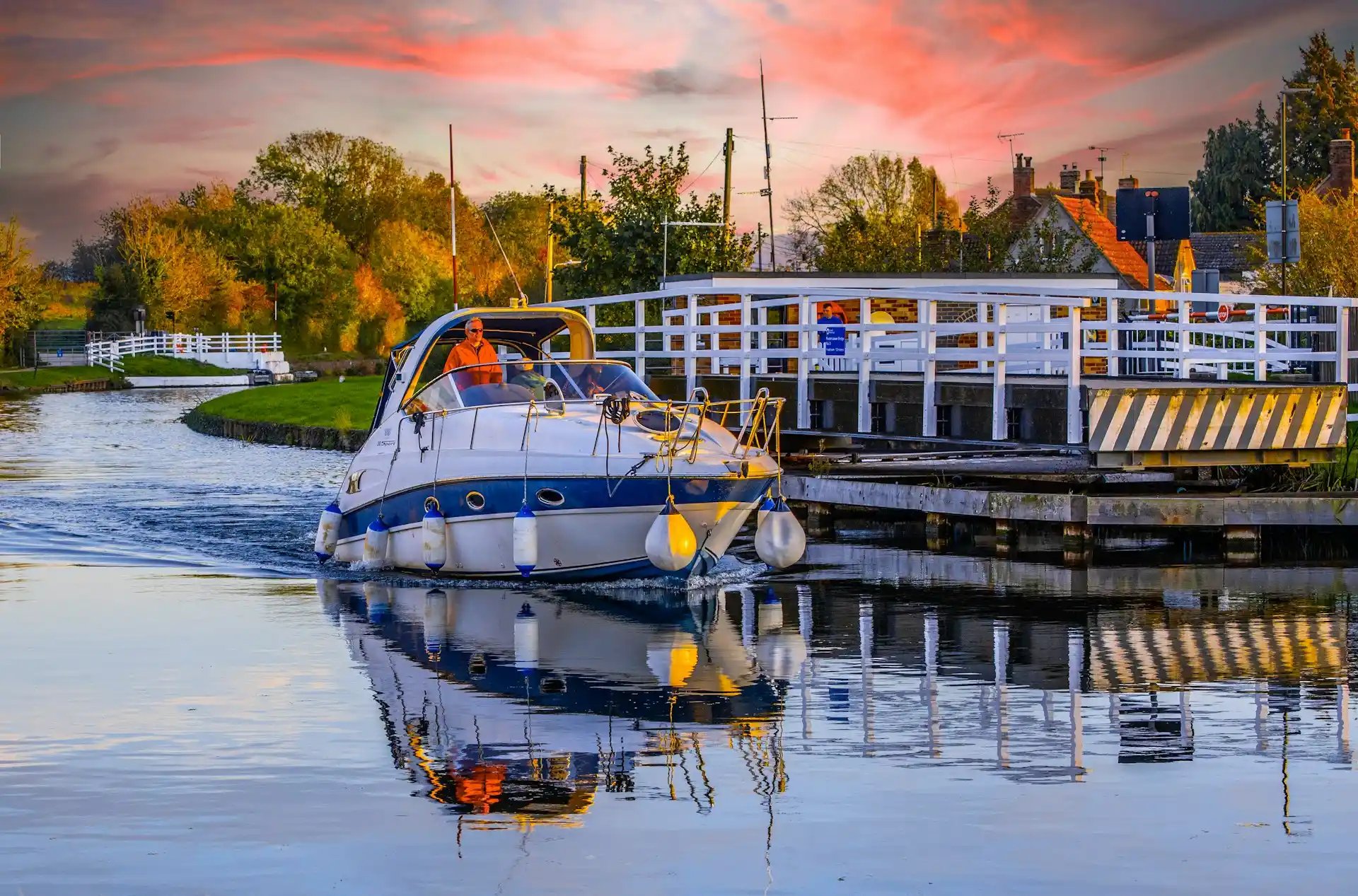
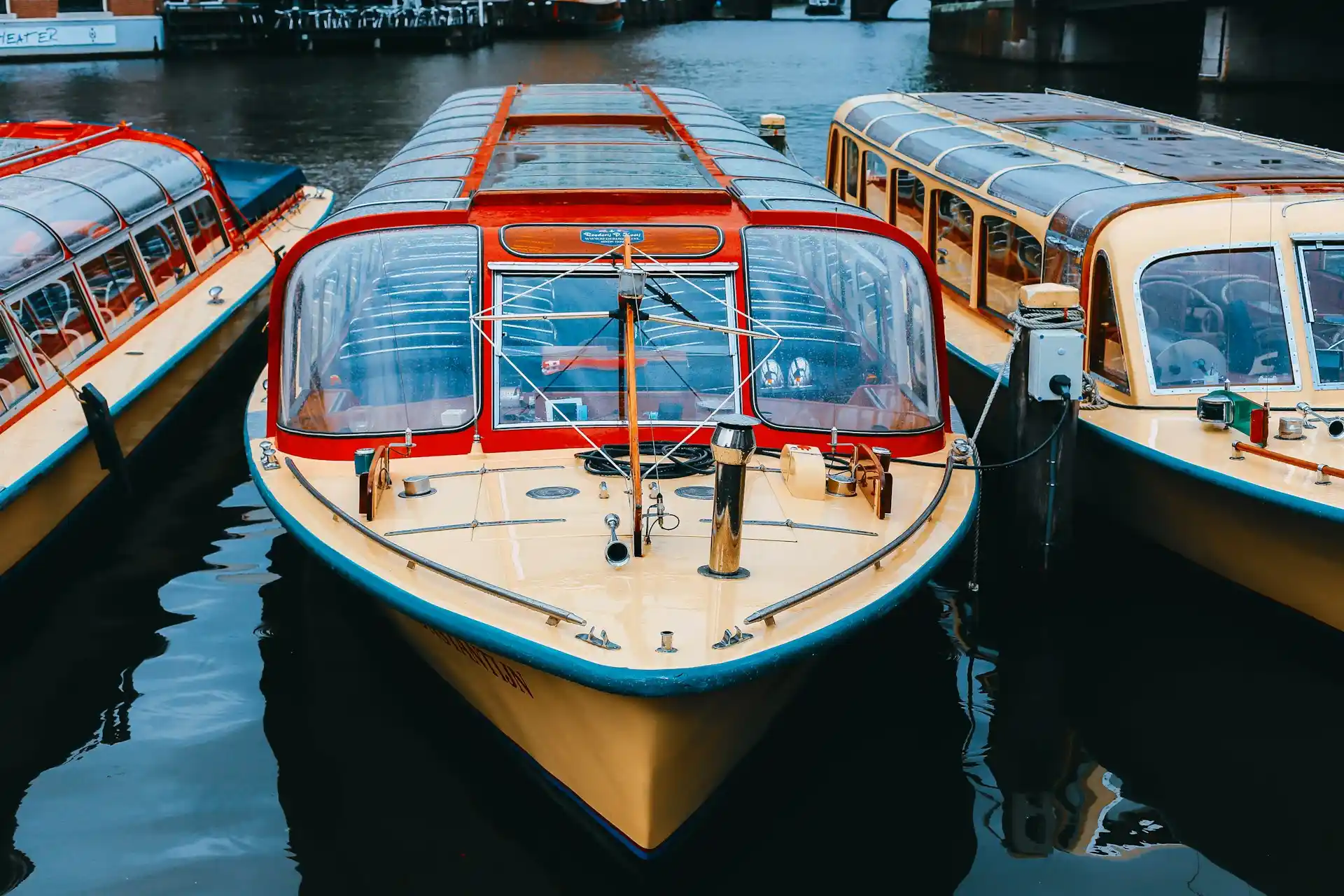
Modern houseboats have engines for smooth travel on water, designed with comfort and durability, offering an ideal boating and living experience.

Do Houseboats Have Engines and Can You Drive Them Like a Boat?

Waking up to the gentle lap of waves in the Florida Keys, with the freedom to cruise to a new horizon, is the dream houseboat life promises. But a question often lingers for newcomers: Do houseboats have engines, and can you steer them like a regular boat? 

Houseboats are as diverse as the waterways they float on, and understanding their propulsion systems is key to embracing this lifestyle. Drawing inspiration from Mangrove Marina in Tavernier, this guide dives into whether houseboats have engines, how they’re driven, and essential facts for navigating Florida’s waters. Let’s explore the mechanics and magic of houseboat living.

Understanding Houseboat Propulsion

Houseboats vary widely, from stationary floating homes to mobile vessels, and their engine setups reflect this diversity. Let’s unpack the main question and more to see how they move.

What Do People Ask About Do Houseboats Have Engines?

Folks often wonder if all houseboats have engines and how they compare to traditional boats in terms of drivability. Common queries include: Can you cruise long distances, and what skills are needed?

Most modern houseboats have engines, allowing them to navigate lakes, rivers, and even coastal waters like those near Mangrove Marina’s wet slips. People also inquire about ease of driving; houseboats handle more slowly and require wider turning radii than speedboats due to their size. For those curious, Mangrove Marina’s houseboat lodging offers a chance to experience a motorized houseboat firsthand in a protected Florida Keys basin.

Is There More to Know About Do Houseboats Have Engines?

Beyond the basics, houseboat engines vary by type, fuel, and purpose, impacting how they’re driven. There’s more to explore about power options and handling in Florida’s unique waters.

Some houseboats have engines, while others, like permanently moored floating homes, don’t, relying on tugboats for rare moves. For motorized models, options include outboard engines (gasoline, easier maintenance) or inboard engines (diesel or gas, better for larger vessels). Curious about maintenance? Mangrove Marina’s working yard provides mechanic racks for engine tune-ups, ensuring smooth cruises. In Florida, houseboats with engines are ideal for exploring the Intracoastal, with Mangrove’s boat ramp offering easy access.

Do Houseboats Have Engines?

Houseboats with engines are versatile but come with specific considerations, like licensing and safety. Key facts and FAQs shed light on their operation and appeal.

Fact: A 45-foot houseboat (12,000 lbs) can cruise at 5-6 knots with a single 90hp outboard or hit 15-18 knots with twin 260hp V8s. FAQs include: Do you need a license? In Florida, a boater safety certificate is often enough, though requirements vary. Another fact: Electric motors are emerging but costly, often paired with diesel generators. For refueling, Mangrove Marina’s fuel facilities keep your houseboat ready for the next adventure.

Types of Houseboat Engines

Not all houseboats have engines, but those that do offer a range of options tailored to different needs. Here’s a breakdown of what powers these floating homes.

  1. Outboard Engines: Mounted externally, these gasoline-powered units are common on smaller houseboats, offering easy maintenance and replacement.
  2. Inboard Engines: Housed inside the hull, these (gas or diesel) engines suit larger houseboats, providing better balance and power for coastal trips.
  3. Sterndrives (I/O): Combining inboard and outboard benefits, these are popular for mid-sized houseboats, swiveling for thrust control.
  4. Thrusters: Some luxury houseboats use bow or stern thrusters for precise docking, creating water jets for maneuverability.

For maintenance, Mangrove Marina’s mechanic racks are a lifesaver, offering professional care to keep engines purring.

Can You Drive a Houseboat Like a Boat?

Houseboats with engines can be driven, but it’s not like zipping around in a speedboat. They’re more like a slow-moving RV on water, requiring patience and practice.

Steering a houseboat uses a helm (wheel) and throttle, similar to boats, but their size, often 30-60 feet, means slower responses and wider turns. Most cruise at 5-10 knots (6-12 mph), perfect for scenic trips along Florida’s Intracoastal. Docking is the tricky part; it often needs a second pair of hands, especially in tight marinas like Mangrove’s wet slips

No special license is typically required in Florida, just a boater safety course for most operators. Modern houseboats often include GPS and navigation systems to simplify the process.

Tips for Driving and Maintaining Houseboat Engines

Driving a houseboat and keeping its engine in top shape takes some know-how, especially in Florida’s saltwater environment. These tips will set you up for success.

  1. Learn the Basics: Take a boater safety course to master steering and docking. Practice in calm waters like Mangrove’s basin.
  2. Regular Maintenance: Check oil, fuel lines, and propellers monthly. Mangrove’s working yard offers engine servicing to prevent breakdowns.
  3. Fuel Smart: Use Mangrove Marina’s fuel facilities for quality gasoline or diesel to avoid clogs.
  4. Plan Routes: Stick to inland waters or protected coastal areas; most houseboats aren’t built for open seas.
  5. Safety First: Carry life jackets and use dive flags when anchored. Relax post-trip at Mangrove’s freshwater pool.

Navigating the Houseboat Lifestyle

Houseboats with engines offer the freedom to explore Florida’s waterways, from the Keys’ reefs to quiet rivers. Whether you’re a liveaboard or weekend cruiser, understanding engine options and driving nuances unlocks the full potential of this lifestyle. The best houseboats have engines tailored to your needs, making every trip a breeze.

Ready to dive in? Visit Mangrove Marina in Tavernier for houseboat lodging, docking, and amenities like their restaurant. Book your adventure today and see if a motorized houseboat is your ticket to paradise!

FAQs 

What fuel types are used in houseboat engines?

Houseboat engines typically run on gasoline or diesel; diesel is preferred for larger vessels due to efficiency and lower emissions.

How fast can houseboats with engines go?

Most houseboats cruise at 5-10 knots (6-12 mph), with some high-powered models reaching 20 knots, ideal for scenic trips.

Are electric houseboat engines viable in 2025?

Electric motors exist but are pricey, often requiring diesel generators for practical use in Florida’s waters.

Do I need insurance for a motorized houseboat?

Yes, marine insurance ($600-$1,500/year) covers engine damage and liability, especially for live boards.

Can beginners drive houseboats with engines?

Yes, with a boater safety course and practice, rentals at Mangrove Marina often include brief training.


Discover the best locations for houseboats in Florida, lifestyle insights, and practical living tips for an unforgettable floating adventure in the Sunshine State.

Houseboats in Florida: Top Locations, Lifestyle, and Living Tips

Imagine waking to the gentle sway of waves, dolphins gliding past, and the Florida sun painting the sky. Houseboats in Florida make this dream a reality. From vibrant coastal communities to serene inland waters, the Sunshine State offers a unique lifestyle for houseboat enthusiasts. Whether you’re a full-time liveaboard or a weekend adventurer, this navigational guide explores top spots, the joys and challenges of houseboat living, and essential tips to thrive on the water. 

Inspired by places like Mangrove Marina in Tavernier, we’ll answer what people ask about houseboats in Florida, uncover hidden gems, and share key facts to guide your journey. Let’s set sail into the world of houseboats in Florida and find your perfect floating haven.

Prime Destinations for Houseboats in Florida

The Florida Keys, Gulf Coast, and inland waterways provide ideal backdrops for houseboats in Florida, each offering distinct vibes and amenities. Here’s where to dock your floating home for the ultimate experience.

What Do People Ask About Houseboats in Florida?

Folks often inquire about the best marinas, liveaboard regulations, and costs of houseboats in Florida. Common questions include: Where can I moor long-term, and are there pet-friendly options?

Popular spots like the Florida Keys top the list, with Tavernier’s Mangrove Marina standing out for its hurricane-hole basin and amenities like wet slips and a freshwater swimming pool. People also ask about costs, expect $500-$1,000 monthly for slip fees, plus $100,000-$300,000 for a quality houseboat. 

Regulations vary; some marinas, like those in Key West, have waitlists for liveaboards, while others, like Mangrove, welcome extended stays with houseboat lodging for a trial run.

Is There More to Know About Houseboats in Florida?

Beyond locations, houseboats in Florida offer a lifestyle shaped by climate, community, and maintenance needs. Dig deeper into eco-friendly options and seasonal considerations for a fuller picture.

For instance, eco-conscious houseboaters love solar-powered models, reducing reliance on marina utilities. In the Keys, Mangrove Marina’s fuel facilities support hybrid setups. More to know: Florida’s warm climate means year-round boating, but hurricane prep is critical; moor in protected areas like Mangrove’s mangrove-lined basin. 

Liveaboard communities, like those in Apalachicola, offer free or low-cost docking, though amenities may be basic. Curious about upkeep? Mangrove’s working yard provides haul, wash, and paint services for $25/foot to keep your vessel pristine.

More About Houseboats in Florida

Houseboats in Florida thrive in diverse settings, from urban marinas to remote rivers, with a growing market for liveaboard lifestyles. FAQs often cover safety, financing, and regional perks.

Did you know Florida’s houseboat market is booming, with 28 listings on BoatTrader recently? Key West’s mooring fields, like Boot Key, cost as little as $10/day, making them budget-friendly. Another fact: Houseboats in Florida range from pontoon models for calm waters to catamarans for open seas.

Many marinas, including Mangrove, are pet-friendly with nearby parks. Financing? Marine loans start at 5-7% interest. For dining after a day on the water, Mangrove Marina’s restaurant offers a cozy spot to refuel.

Embracing the Houseboat Lifestyle in Florida

Houseboats in Florida promise freedom, community, and a front-row seat to nature’s beauty. This lifestyle blends adventure with simplicity, but it’s not without its quirks.

Daily life on houseboats in Florida is a mix of tranquility and tasks. Mornings might start with coffee on the deck, watching manatees, while afternoons involve fishing or kayaking from your boat ramp launch. Socially, marina communities foster tight bonds, think impromptu barbecues or shared sunset cruises. 

Challenges? Space is tight, so minimalism is key, and maintenance like hull cleaning is ongoing. The payoff is unmatched: no yard work, lower taxes, and ever-changing views. Mangrove’s bathhouse and pool make daily living comfortable, especially for families.

Practical Living Tips for Houseboats in Florida

Navigating houseboat life in Florida requires savvy planning, from maintenance to hurricane prep. These tips ensure smooth sailing, whether you’re a newbie or a seasoned boater.

Maintenance Matters

Regular hull checks prevent corrosion, especially in saltwater. Use Mangrove Marina’s mechanic racks for professional upkeep.

Hurricane Prep

Secure your boat in a protected basin like Mangrove’s or use dry racks during storms. Stock emergency kits and monitor forecasts.

Utilities

Opt for solar panels or marina hookups for power. Mangrove’s infrastructure supports both, with easy access to water and fuel.

Space Hacks

Use multi-purpose furniture and vertical storage to maximize space. Compact appliances fit the cozy interiors of houseboats in Florida.

Community Engagement

Join marina events or local boating clubs to build connections. Mangrove’s social vibe makes it easy to mingle.

Navigating Challenges of Houseboats in Florida

Houseboat living isn’t all sunsets and smooth waters; challenges like regulations and weather demand attention. Understanding these hurdles helps you thrive.

Permits for liveaboards vary by county; Monroe County limits long-term mooring, so check with marinas like Mangrove for compliance. Hurricanes are a reality; invest in sturdy anchors and insurance ($600-$1,500/year). Space constraints mean decluttering regularly, but the trade-off is a simpler life. For newbies, Mangrove Marina’s houseboat lodging lets you test the lifestyle before committing.

Why Choose Houseboats in Florida?

From the Keys to the Gulf, houseboats in Florida offer a lifestyle that’s equal parts adventure and serenity. Locations like Mangrove Marina elevate the experience with full-service amenities.

The Keys are a hotspot for houseboats in Florida, with access to reefs and fishing grounds. Inland spots like the St. Johns River offer calm waters for pontoon models. The lifestyle appeals to retirees, families, and digital nomads alike, with costs often lower than traditional homes, think $50,000-$200,000 for a boat versus $4800/month rents in Marco Island. Mangrove’s protected basin and amenities make it a top choice for liveaboards seeking paradise.

Set Sail for Your Houseboat Adventure

Houseboats in Florida unlock a world of freedom, from the vibrant Keys to quiet rivers, blending adventure with affordability. Whether you’re drawn to the community vibe or the call of the open water, this lifestyle delivers.

Ready to dive in? Explore Mangrove Marina in Tavernier for houseboat lodging, docking, and a taste of Florida’s floating life. Book your slip or stay today and chart your course!

FAQs

What insurance is needed for houseboats in Florida?

Marine insurance, covering hull damage and liability, averages $600-$1,500/year, depending on boat size and location.

Can I finance houseboats in Florida?

Yes, marine loans with 10-20% down and 5-7% interest are available through banks or credit unions specializing in boats.

Are houseboats in Florida pet-friendly?

Many marinas, like Mangrove, welcome pets, but confirm leash policies and nearby pet areas before mooring.

What’s the best houseboat type for Florida’s waters?

Pontoons suit calm inland rivers, while catamarans handle coastal waves better; choose based on your cruising plans.

How do I handle waste on houseboats in Florida?

Use marina pump-out stations (costing $20-$50) or portable tanks, ensuring compliance with FWC’s no-discharge rules.

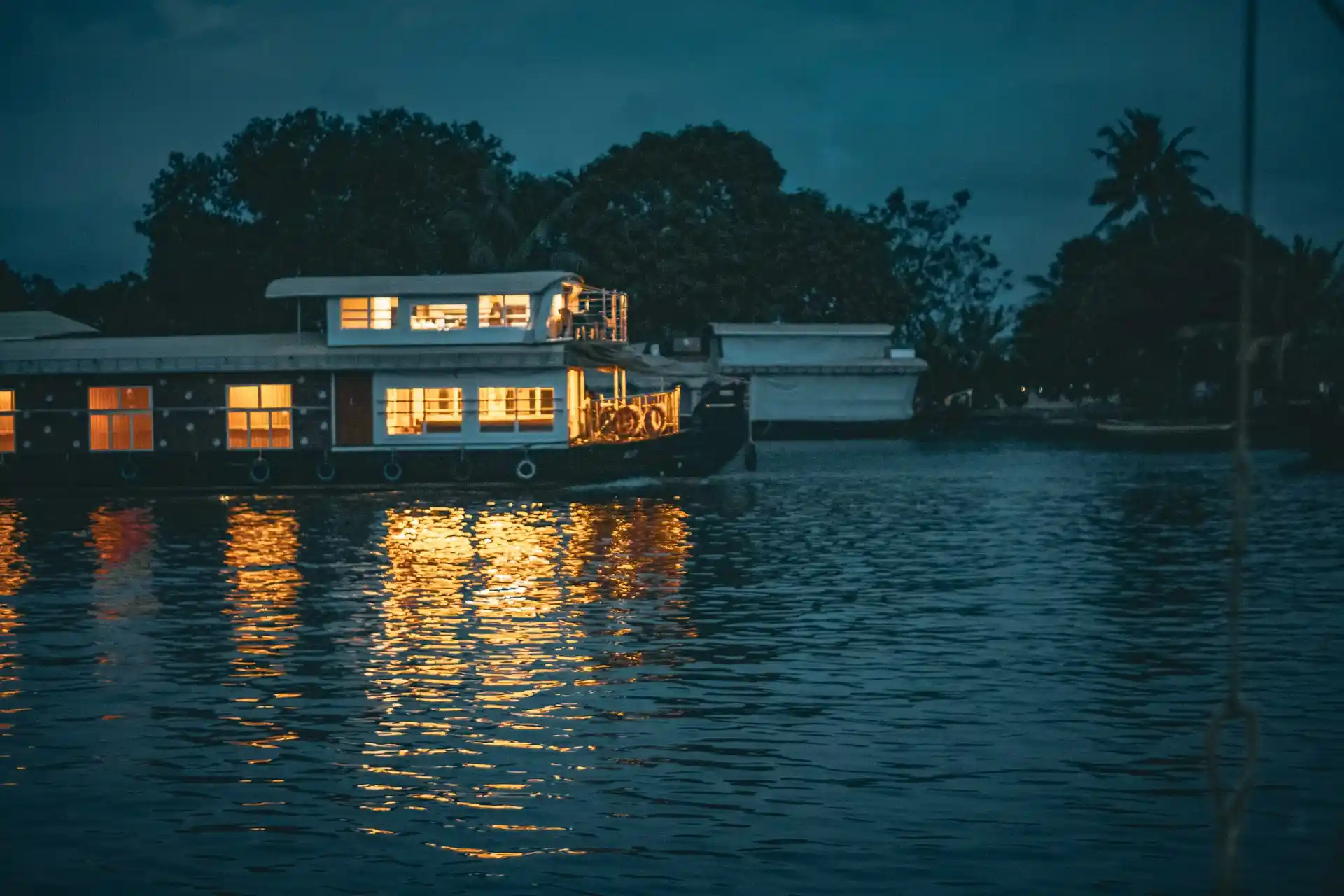
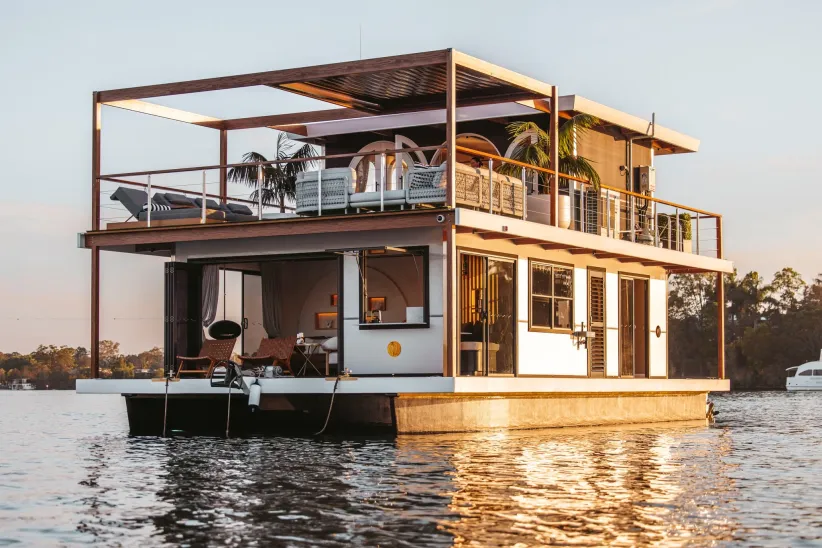
A modern two-story houseboat size shown on calm waters, highlighting space and design for comfortable living and cruising.

How Long Are Houseboats? Size Ranges and Space Considerations

The idea of living on a houseboat, with the Florida Keys’ turquoise waters as your backyard, is nothing short of magical. But one question often pops up for those considering this lifestyle: How long are houseboats, and how does their size impact living space and functionality? 

This guide dives into houseboat size ranges, space considerations, and practical tips for choosing the right fit, drawing inspiration from Mangrove Marina in Tavernier. Houseboat sizes vary wildly, each offering unique benefits and challenges. Whether you’re dreaming of a compact retreat or a spacious floating home, let’s explore the dimensions of houseboat living.

Exploring Houseboat Size Ranges

Houseboats come in a spectrum of lengths, from cozy trailers to sprawling luxury vessels, each suited to different needs. Understanding their sizes helps you pick the perfect one for Florida’s waterways.

What Do People Ask About How Long Are Houseboats?

Folks often wonder about typical houseboat lengths and how they translate to livable space. Common questions include: What’s the best size for a couple, and how does length affect docking?

People frequently ask about standard sizes. Houseboats typically range from 20 to 120 feet, with most falling between 30 and 60 feet, offering 240-1,200 square feet of space. For couples, a 40-50 foot houseboat, like those docked at Mangrove Marina’s wet slips, provides ample room without overwhelming maintenance. The trailerable models (20-30 feet) fit easily in marinas like Mangrove’s boat ramp for quick launches.

Is There More to Know About How Long Houseboats Are?

Beyond basic lengths, houseboat size impacts stability, storage, and customization options. There’s more to uncover about how size shapes the liveaboard experience in Florida.

Houseboat length influences more than just space; it affects maneuverability and mooring costs. Larger houseboats (50+ feet) offer multi-deck layouts, adding up to 80% more space with two floors, but they’re harder to navigate in tight channels. 

Smaller models, like pontoon houseboats, are ideal for inland waters and cost less to maintain, perfect for Mangrove Marina’s working yard services at $25/foot. Curious about customization? Longer houseboats allow for additions like rooftop terraces, enhancing the liveaboard lifestyle.

Houseboat Lifespan: Key Insights and Answers

Houseboat sizes tie into market trends and practical considerations like mooring and resale. FAQs often cover space planning and regional suitability.

Most houseboats listed on platforms like BoatTrader are 30-60 feet, with luxury models averaging 50 feet for 400-800 square feet. FAQs include: How does length affect cost? Each foot adds $2,000-$5,000 to the purchase price and $10-$20/month in slip fees. 

Pontoon houseboats, as small as 20 feet, are popular for their stability in calm waters like those near Mangrove Marina’s fuel facilities. After a day on the water, unwind at Mangrove’s restaurant.

Space Considerations for Houseboat Living

Houseboat length directly shapes interior space, storage, and functionality, impacting daily life. Here’s how size translates to livable areas and what to consider.

A 40-foot houseboat typically offers 320-800 square feet, depending on decks and layout, suitable for a couple or small family. Multi-level designs maximize space, think lofts or rooftop lounges, but add weight, affecting stability in Florida’s coastal winds. Storage is tight, so vertical shelving and multi-purpose furniture are key. 

For live boards, a 50-foot houseboat with two cabins and a galley feels like a condo, perfect for Mangrove Marina’s hurricane-hole basin. Smaller boats (20-30 feet) suit weekenders but may feel cramped for long-term use.

Choosing the Right Houseboat Size

Picking the ideal houseboat length balances lifestyle, budget, and location. These considerations ensure your vessel fits your Florida adventures.

Lifestyle Needs

Couples or solo travelers thrive in 30-40 foot houseboats; families need 50+ feet for extra cabins.

Budget

Smaller houseboats cost $50,000-$100,000, while luxury models hit $500,000. Slip fees at Mangrove Marina range from $500-$1,000/month.

Maneuverability

Shorter houseboats are easier to handle in tight marinas like Mangrove’s wet slips.

Storage

Larger boats offer more room but require Mangrove’s dry racks for off-season protection.

Test It Out

Try Mangrove Marina’s houseboat lodging to gauge space needs before buying.

Maintenance and Space Optimization Tips

Houseboat length impacts maintenance and livability, especially in Florida’s salty environment. These tips maximize space and keep your vessel in top shape.

Regular hull cleaning prevents corrosion, extending houseboat lifespan. Use Mangrove Marina’s working yard for professional care. Optimize space with foldable furniture and built-in storage; a 40-foot houseboat can feel spacious with smart design. 

Protect against UV damage with covers, especially for larger decks, and store off-season at Mangrove’s dry racks. For fuel efficiency, smaller houseboats use less gas, easily refueled at Mangrove’s fuel facilities. Regular inspections catch issues early, preserving space and structure.

Navigating Houseboat Life in Florida

Houseboat length shapes your experience, from cozy retreats to expansive homes, offering freedom in Florida’s stunning waterways. Whether you choose a compact 20-footer or a 60-foot luxury vessel, understanding size ranges and space considerations ensures a perfect fit. With Mangrove Marina’s amenities, like the pool and bathhouse, your houseboat life blends adventure and comfort.

Ready to float into this lifestyle? Visit Mangrove Marina in Tavernier to explore houseboat lodging, docking, and more. Book your stay today and find your ideal houseboat size!

FAQs

What’s the smallest houseboat size for liveaboard life?

20-30 foot houseboats (160-240 sq ft) work for solo or couple liveaboards, though storage is limited.

How does houseboat length affect insurance costs?

Longer houseboats (50+ feet) cost more to insure, averaging $800-$1,500/year due to higher value and risk.

Are larger houseboats harder to maintain?

Yes, larger houseboats require more frequent hull cleaning and engine checks, increasing maintenance costs by 20-30%.

Can houseboat size impact resale value?

Mid-sized houseboats (30-50 feet) often sell faster due to broader appeal and lower mooring fees.

What’s the best houseboat size for Florida’s waters?

30-50 feet suits inland and coastal waters, balancing space and maneuverability for Keys cruising.

Explore the best houseboats 2025 with cutting-edge features, honest reviews, and smart buying tips to find your ideal floating retreat in the Florida Keys.

The Best Houseboats of 2025: Features, Reviews, and Buying Tips

As the allure of waterfront living grows, houseboats 2025 are capturing imaginations with innovative designs that blend luxury, sustainability, and adventure. Whether you’re dreaming of a serene escape or a mobile home on the waves, this guide uncovers the top models shaping the year ahead.

Unveiling the Premier Houseboats 2025 Models

Houseboats 2025 represent a leap forward in floating homes, combining modern tech with timeless comfort for every lifestyle. From compact cruisers to expansive luxury vessels, these picks stand out for their versatility and appeal.

What Do People Ask About Best Houseboats 2025?

Curiosity about houseboats 2025 often centers on affordability, eco-friendliness, and customization options. Common queries include which models offer the best value, how they perform in rough waters, and what maintenance is required for full-time living.

Drawing from recent trends, people frequently wonder about the integration of solar panels and smart home features in houseboats in 2025. For instance, models like the Waterlodge Apart XXL are praised for their spacious 540 sq ft interiors and a starting price of $327,000, making them accessible for families seeking luxury houseboats without breaking the bank. Reviews highlight the customizable decks and rooftop terraces, ideal for sunset gatherings. If you’re testing the waters, consider houseboat lodging at Mangrove Marina, where you can experience similar setups in the tranquil Florida Keys basin.

Another hot topic is propulsion systems. Do houseboats 2025 need powerful engines? The Campi 400, a compact 4×12.5m model, uses a Yamaha 25hp engine for efficient maneuvering, perfect for inland waterways. Users ask about fuel efficiency, and this one’s solar collectors help reduce costs. For docking, wet slips at Mangrove Marina provide secure spots close to the Intracoastal, enhancing the practicality of these vessels.

Is There More to Know About Best Houseboats 2025?

Beyond the basics, houseboats 2025 delve into sustainable innovations and hybrid living spaces that adapt to changing needs. Emerging details include off-grid capabilities and modular designs that evolve with your lifestyle.

For deeper insights, consider the Bluefield R500’s sleek, boat-inspired aesthetics with full-height ceilings and sliding balconies, features that elevate everyday living. Priced competitively, it’s a favorite in houseboat reviews for its stable concrete pontoon and high-spec kitchen. People often overlook the smart home upgrades, like optional systems for remote control, which add layers of convenience. At Mangrove Marina’s working yard, you can even customize similar models with mechanical support for seamless integrations.

Houseboats 2025 also emphasize durability in hurricane-prone areas. The NOMADREAM 1200, with its marine-grade materials and eco-options like solar panels, withstands elements while offering three rooms for up to four people. More to know: These models support hybrid work setups with ample storage and terraces for outdoor offices. For maintenance tips, Mangrove Marina’s fuel facilities ensure your vessel stays ready for adventures.

Related Facts About Best Houseboats 2025

Houseboats 2025 aren’t just vessels; they’re evolving habitats with facts like market growth projected at 4.7% CAGR through 2034, driven by demand for eco-friendly floating homes. FAQs often cover resale value, insurance, and regional regulations.

Houseboats 2025, like the Overblue 58 blend catamaran stability with 165 sq ft of single-level luxury, including solar-powered systems for off-grid cruising. Reviews note its king-size berths and expansive salons as game-changers for long-term stays. A common FAQ: How do bag limits apply? Wait, that’s unrelated, sticking to boats, folks ask about legal mooring. In the Keys, protected basins like Mangrove Marina’s natural “hurricane hole” offer safe havens.

Another fact: The Le Koroc P caters to anglers with fishing-specific features like floor openings and solar panels, starting around mid-range prices. Customization costs, expect $10,000-$50,000 for upgrades like hammocks or telescopic tables. For liveaboard options, Mangrove Marina’s bathhouse and pool complement these facts by providing onshore amenities.

Innovative Features Defining Houseboats 2025

Houseboats 2025 shine with advancements like autonomous energy systems and ergonomic layouts. These elements make them more than boats; they’re smart, sustainable sanctuaries for modern nomads.

Take the Bluefield R750, boasting three bedrooms and cedar cladding for a premium feel. Its powder-coated windows and compliant bathrooms earn high marks in houseboat reviews for family-friendly design. Features like gangway access and anchor arms simplify docking, a boon for beginners. If you’re in Tavernier, Mangrove Marina’s boat ramp makes launching these models effortless.

Sustainability is a standout in houseboats 2025, with the Zion model offering vaulted ceilings and hardwood floors in a floating home setup. Priced for accessibility, it includes off-grid capabilities for weeks on the water. More features: Bespoke furnishings that rival land homes, ensuring comfort without compromise.

Honest Reviews of Leading Houseboats 2025

Real-user feedback on houseboats 2025 highlights reliability, space, and value, helping buyers avoid pitfalls. From compact to grand, reviews reveal what truly floats or sinks the experience.

The Trifecta Houseboats’ Excellence model, a 100′ x 20′ beast with seven bedrooms, garners rave reviews for its entertainment-ready decks and granite kitchens. Users love the hot tub and bar, though note higher maintenance. At Mangrove Marina’s restaurant, you can unwind post-review, imagining your setup.

Eco-Sea Cottages impress with 1,100 sq ft starting at $175,000, praised for home-like construction and low upkeep. Reviews emphasize the two-bedroom layouts’ privacy, ideal for couples exploring houseboat features like full appliances.

Essential Buying Tips for Houseboats 2025

Navigating the purchase of houseboats in 2025 requires savvy, focus on hull types, budgets, and locations. These tips ensure you invest wisely in a vessel that matches your dreams.

First, assess hull styles: Pontoons for stability or catamarans for efficiency. Budget $100,000-$500,000 for quality houseboats 2025, factoring in mooring fees around $500/month. Check resale via platforms like BoatTrader, where models hold 70-80% value with upkeep.

Location matters! Opt for protected spots like Mangrove Marina’s dry racks for storage. Inspect for corrosion, test engines, and consider insurance averaging $600/year. For rentals first, Mangrove’s options let you trial before buying.

Sailing into the Future with Houseboats 2025

Houseboats 2025 redefine waterfront escapes, offering blends of innovation and comfort that promise endless horizons. As markets evolve, these vessels invite a life less ordinary.

Ready to anchor your adventure? Visit Mangrove Marina in Tavernier for houseboat lodging, slips, and expert guidance. Book today and float toward paradise!

FAQs

What are the top engine options for houseboats in 2025?

Houseboats 2025 often feature hybrid electric or diesel outboards, with brands like Yamaha offering 25-300hp for efficiency and power.

How do houseboats 2025 compare to RVs in cost?

While initial costs are similar ($100k+), houseboats 2025 have lower fuel expenses but higher mooring fees versus RV parking.

Are houseboats 2025 suitable for cold climates?

Yes, insulated models with heating systems thrive in winter, though adding antifreeze and covers is recommended for hull protection.

What financing is available for houseboats in 2025?

Marine loans with 10-20% down and 5-7% interest rates are common, often through banks specializing in boat financing.

How eco-friendly are materials in houseboats in 2025?

Many use recycled aluminum and low-VOC woods, reducing environmental impact while maintaining durability for sustainable living.

Curious if houseboats depreciate? Learn about houseboat depreciation, resale value, factors affecting price, and selling challenges in this guide.

Do Houseboats Depreciate? What Buyers Should Know

When I first started daydreaming about living on a houseboat, bobbing gently in the Florida Keys with a cold drink in hand, I couldn’t help but wonder: Do houseboats depreciate? It’s a question that pops up for anyone considering this unique lifestyle, whether you’re eyeing a cozy pontoon setup or a luxurious floating home. 

Unlike traditional homes, which often climb in value over time, houseboats follow a different financial path, one that can feel more like buying a car than a condo. Drawing from insights and real-world trends, plus the vibe of places like Mangrove Marina in Tavernier, this guide dives into whether houseboats depreciate, how they hold resale value, what drives their prices, and if they’re tougher to sell than land-based homes. If you’re weighing a houseboat purchase, here’s the lowdown to help you navigate the waters.

Having spent time around marinas and chatting with houseboat owners, I’ve seen the appeal of this lifestyle, freedom, water views, and a break from suburbia. But the financial side? That’s where things get interesting. Let’s break it down.

The Big Question: Do Houseboats Depreciate Like Boats or Appreciate Like Homes?

The short answer is yes, houseboats depreciate, but it’s not a one-size-fits-all story. Unlike traditional real estate, which often gains value due to land scarcity, houseboats typically lose value over time, much like vehicles or recreational boats. 

According to industry insights, houseboats depreciate fastest in the first few years, often dropping 20-30% within the first five years of ownership. After that, the rate slows, leveling off around $100 per foot for older models. For example, a $100,000 pontoon houseboat might lose $20,000-$30,000 in value by year five, depending on its condition and market demand.

But here’s the twist: not all houseboats depreciate at the same pace. Floating homes, stationary houseboats moored permanently, often with land or dock rights, can sometimes appreciate, especially in desirable locations like the Florida Keys or Seattle’s Lake Union. If you’re eyeing a spot at Mangrove Marina, their houseboat lodging lets you test this lifestyle while you weigh the investment.

So, do houseboats depreciate universally? Generally, yes, but factors like type, location, and upkeep can bend the curve. Let’s explore why.

Holding Their Worth: Do Houseboats Retain Resale Value?

When it comes to whether houseboats retain resale value, the answer hinges on a few key variables. Well-maintained houseboats in high-demand areas, like the Keys, where waterfront living is a hot commodity, can hold their value better than neglected ones in less desirable spots. For instance, a houseboat with modern upgrades, like energy-efficient systems or a sleek interior, might fetch a better price than a run-down model. Brands like Gibson or Stardust, known for quality, also tend to retain value better, similar to how a Toyota holds up better than a generic car.

However, houseboats don’t typically build equity like homes. Their resale value often stabilizes after the initial depreciation hit, but don’t expect big profits unless you’ve got a rare, high-demand model or a floating home tied to valuable moorage. A 2023 study noted that classic or restored houseboats, like vintage Chris Craft conversions, can even appreciate if demand outstrips supply. If you’re docking at Mangrove Marina, their wet slips provide a prime location that could boost your boat’s appeal when it’s time to sell.

What Affects the Resale Price of a Houseboat?

Wondering what affects the resale price of a houseboat? Several factors come into play, and understanding them can help you make smarter buying or selling decisions:

Condition

A pristine houseboat with a solid maintenance log—think regular hull cleaning and engine checks- commands higher prices. Neglect, like rust or mold, can tank value fast. Mangrove Marina’s mechanic racks make upkeep easier with professional services.

Age

Newer houseboats depreciate faster initially, losing 10-15% in year one, but older, well-kept models can hold steady.

Location

Houseboats in popular boating areas, like the Florida Keys or Lake Powell, retain value better due to longer boating seasons and demand.

Upgrades

Modern amenities, solar panels, updated navigation, or a revamped galley, can boost resale price, but quirky customizations might scare off buyers.

Market Demand

Trends matter. Pontoon houseboats, popular for their stability, might sell faster than niche designs in a soft market.

Mooring Rights 

For floating homes, secure dock space in a prime marina can add significant value, sometimes more than the boat itself.

For example, a converted barge at Mangrove Marina, moored in their hurricane-hole basin, might hold value better than a similar vessel in a less protected spot. Regular maintenance, like their $25/foot haul, wash, and paint service, can slow depreciation.

Selling Challenges: Are Houseboats Harder to Sell Than Homes?

Are houseboats harder to sell than homes? In short, yes, but it’s not insurmountable. Houseboats cater to a niche market, which means fewer buyers compared to traditional homes. Selling a houseboat can take longer, especially in off-seasons or areas with low boating interest. For instance, a Keys houseboat might move faster than one in a colder climate where boating is seasonal.

Homes benefit from a broader appeal and real estate agents who streamline the process. Houseboats, classified as personal property, often rely on boat brokers or platforms like BoatTrader, and sales can drag if the boat’s condition or price isn’t competitive. Upgrades matter, but over-personalized mods (think neon interiors) can deter buyers who want move-in-ready vessels.

That said, a well-maintained houseboat in a hot spot like Tavernier, with access to Mangrove Marina’s dry racks for storage, can attract serious buyers. Timing helps—listing during peak boating season (spring/summer) boosts interest. Unlike homes, houseboats don’t typically appreciate, so sellers need realistic price expectations based on current market trends.

Tips to Minimize Houseboat Depreciation

Want to keep your houseboat’s value afloat? Here are practical steps to slow depreciation and boost resale potential:

Regular Maintenance

Schedule hull inspections and engine tune-ups. Mangrove Marina’s working yard offers affordable services to keep your boat shipshape.

Smart Upgrades

Invest in universal appeal, think stainless steel appliances or solar panels, over quirky customizations.

Protect Against Wear

Use covers to shield from UV rays and store indoors during off-seasons to prevent weather damage.

Choose a Prime Location

Mooring in a desirable marina like Mangrove, with its fuel facilities and amenities, enhances value.

Document Everything

Keep detailed records of maintenance and upgrades to reassure buyers of your boat’s condition.

These steps can’t stop depreciation entirely, but they’ll help your houseboat stand out in a competitive market.

Final Thoughts: Navigating the Houseboat Investment

So, do houseboats depreciate? Yes, most do, especially in the early years, but strategic care and location can soften the blow. Whether you’re dreaming of a floating home or a mobile retreat, understanding how houseboats retain resale value, what affects their price, and the challenges of selling them is key to making an informed purchase. It’s not about chasing equity like a traditional home; it’s about embracing a lifestyle where the water is your backyard.

Ready to explore houseboat living? Head to Mangrove Marina in Tavernier, where you can try houseboat lodging, dock at their wet slips, or unwind at their restaurant. Book a visit today and see if the houseboat life is your next adventure!

FAQs

Do houseboats depreciate?

Yes, houseboats depreciate, typically losing 20-30% in the first five years, though floating homes in prime locations may appreciate.

Do houseboats retain resale value?

Well-maintained houseboats in high-demand areas retain value better, but they rarely build equity like homes.

What affects the resale price of a houseboat?

Condition, age, location, upgrades, market demand, and mooring rights all impact resale price.

Are houseboats harder to sell than homes?

Yes, due to a niche market and seasonal demand, houseboats often take longer to sell than homes.

How can I slow houseboat depreciation?

Regular maintenance, smart upgrades, UV protection, and mooring in desirable spots help preserve value.

What’s a good place to try houseboat living?

Mangrove Marina in the Florida Keys offers houseboat lodging and docking to test the lifestyle.

How many days should you spend in Key Largo? Plan 5-7 days for diving, houseboating, and more with Mangrove Marina’s guide to the Florida Keys!

How Many Days Should You Spend in Key Largo A Travel Guide

Key Largo, the Diving Capital of the World, beckons with its turquoise waters, vibrant coral reefs, and laid-back island vibe, offering a perfect escape from the everyday grind. Nestled in the Florida Keys, it’s a haven for adventure seekers and relaxation enthusiasts alike, much like the tranquil retreat found at Mangrove Marina. How many days should you spend in Key Largo to soak in its aquatic wonders and unique lifestyle? 

This travel guide explores the ideal duration for your visit, dives into the houseboating culture, and uncovers fascinating facts about houseboats in the U.S., all while highlighting why Mangrove Marina is your perfect base. Let’s chart the course for your Key Largo adventure!

Crafting Your Key Largo Escape: The Perfect Duration

Embark on a journey to plan the ideal stay in Key Largo, balancing thrilling activities with serene moments. Discover how many days allow you to experience its tropical charm fully.

How Many Days Should You Spend in Key Largo?

To truly experience Key Largo, 5 to 7 days is ideal, allowing you to dive into its aquatic attractions and unwind in its relaxed atmosphere [Budget Your Trip]. A 5-day trip covers essentials like snorkeling at John Pennekamp Coral Reef State Park, kayaking through mangroves, and dining at waterfront spots like Mangrove Marina’s Fin & Juice Bar. 

Extending to 7 days offers a leisurely pace for day trips to the Everglades or fishing excursions, as facilitated by Mangrove Marina’s full-service marina. Shorter 1-3 day visits suit quick getaways, but may limit your exploration of Key Largo’s diverse offerings. Whether you’re staying at Mangrove Marina’s Aqua Villas or elsewhere, 5-7 days ensure you answer “how many days Key Largo” with a fulfilling itinerary.

Living on the Water: Houseboating in Key Largo

Explore the unique lifestyle of houseboating, a hallmark of Key Largo’s aquatic culture. From liveaboards to vacation rentals, uncover the allure of floating homes.

Are There Many People Living Full-Time on Houseboats?

Yes, many people live full-time on houseboats in Key Largo and across the Florida Keys, drawn to the affordable and adventurous lifestyle. At Mangrove Marina, houseboats like Sea Turtle and Manatee cater to liveaboards, offering a home-like experience with marina amenities like a pool and bathhouse. Estimates suggest 250-300 liveaboards anchor around Key West alone, with Key Largo hosting a similar vibrant community. 

These residents, often restaurant workers or retirees, embrace the freedom of water-based living, though challenges like hurricane risks and maintenance persist. Mangrove Marina’s protected hurricane hole makes it a haven for full-time houseboaters, answering the curiosity around how many days Key Largo residents spend living this unique lifestyle.

What Are the Most Popular Places for Houseboating in the US?

The U.S. boasts several iconic houseboating destinations, with Key Largo among the top for its tropical allure. Key Largo’s houseboats, like those at Mangrove Marina, offer access to snorkeling and fishing, making it a standout for houseboating enthusiasts wondering how many days Key Largo can captivate them with this lifestyle. Other popular spots include:

Lake of the Ozarks, Missouri

Famed for its 85 miles of winding shoreline, this lake offers endless coves and scenic spots perfect for exploration. Its lively resorts and marinas make it a favorite for social, activity-filled houseboating.

Lake Havasu, Arizona

With warm, sunny weather year-round, Lake Havasu is a paradise for houseboat owners. The area’s festive atmosphere and boating-friendly waters create a thriving community spirit.

San Francisco Bay, California

This iconic bay hosts over 400 unique houseboats, many with artistic flair and breathtaking views of the Golden Gate Bridge. The mild coastal climate adds comfort to this creative waterside lifestyle.

Seattle, Washington

Seattle’s Duwamish River offers a vibrant houseboat scene just minutes from downtown. Residents enjoy a peaceful waterfront life while staying connected to the city’s cultural and culinary experiences.

The Houseboat Industry: Production Insights

Uncover the fascinating world of houseboat manufacturing, revealing how these floating homes are crafted. Learn how many vessels fuel this growing lifestyle trend.

How Many Houseboats Are Manufactured Each Year?

Exact figures for annual houseboat production are elusive, as manufacturers like Sumerset and Stardust Cruisers don’t publicly report specific numbers. However, industry insights suggest around 1,000-2,000 houseboats are built yearly in the U.S., driven by demand for vacation and liveaboard vessels.

Companies like Gibson and Horizon Yacht produce luxury models, with production centered in states like Tennessee and Kentucky. At Mangrove Marina, houseboats like Yellow Tail reflect this trend, offering modern amenities for Key Largo visitors. This production supports the growing interest in houseboating, tying into how many days Key Largo visitors might spend exploring this lifestyle.

A 5-7 Day Key Largo Itinerary

Here is how you can plan your days:

Day 1: Arrival and Relaxation


Settle into Mangrove Marina’s houseboat resort and relax at Harry Harris Park beach. Dine at Fin & Juice Bar, enjoying waterfront views.

Day 2: Diving and Snorkeling

Explore John Pennekamp Coral Reef State Park’s reefs and Christ of the Abyss statue. Book a tour via Mangrove Marina’s services for a seamless experience.

Day 3: Mangrove Kayaking

Paddle through Key Largo’s mangrove tunnels, spotting wildlife. Mangrove Marina’s proximity to kayaking rentals makes this easy.

Day 4: Everglades Day Trip

Venture to Everglades National Park for airboat rides, an hour from Key Largo. Return to Mangrove Marina for a poolside evening.

Day 5: Fishing Adventure

Try sport fishing for tarpon, supported by Mangrove Marina’s boat ramps. Reflect on how many days Key Largo has filled with adventure.

Day 6-7 (Optional): Dolphin Encounters and Sunset Cruises

Visit Dolphins Plus or cruise on the African Queen, adding depth to your Key Largo experience.

Why Key Largo Shines for Houseboating

Key Largo’s houseboating culture, supported by marinas like Mangrove Marina, offers a unique blend of adventure and relaxation. The marina’s 20-acre basin, protected by mangroves, provides a safe mooring spot, as noted on their amenities page. 

Houseboats here range from cozy one-bedroom units to spacious three-bedroom vessels, accommodating various travelers. The lifestyle appeals to those seeking affordability, with liveaboard costs averaging $15,000-$30,000 annually, far less than Key Largo’s median home price of $800,000. Environmental responsibility is key, with Mangrove Marina adhering to regulations to protect mangroves and marine life [sanctuaries.noaa.gov].

Set Sail for Your Key Largo Journey

How many days should you spend in Key Largo? A 5-7 day stay unlocks its diving, houseboating, and natural wonders, with Mangrove Marina as your ideal base. Whether you’re drawn to the vibrant houseboat community or the thrill of snorkeling, Key Largo delivers. 

Book a houseboat stay at Mangrove Marina’s Aqua Villas or explore their services. Share your Key Largo plans in the comments or contact Mangrove Marina to craft your tropical getaway. Dive into Key Largo’s paradise today!

FAQs

Is 3 days enough for Key Largo?

Three days cover snorkeling and beaches, but may feel rushed for houseboating or day trips.

What’s the best season for Key Largo?

December to March offers warm, dry weather, ideal for houseboating and outdoor activities.

Can I rent a houseboat in Key Largo?

Yes, Mangrove Marina’s Aqua Villas offer houseboat rentals starting at $165/night, per Tripadvisor.

Are houseboats safe during hurricanes in Key Largo?

Mangrove Marina’s hurricane hole provides protection, but securing boats is essential.

Do I need a car in Key Largo?

A car enhances flexibility for exploring, though rentals and cabs are available.

Are Key Largo boats still made? Discover their production status, worth, and features for fishing and cruising in this guide to Key Largo boats!

Are Key Largo Boats Still Made and Are They Worth Buying?

Nestled in the serene waters of the Florida Keys, where the tranquil beauty of Mangrove Marina meets the adventurous spirit of boating, Key Largo boats have long been a topic of interest for marine enthusiasts. Are Key Largo boats still made, and are they worth investing in for your next aquatic adventure? 

This guide dives into the current status of Key Largo boats, their reputation, and what boaters are asking about them, drawing inspiration from the vibrant coastal life at Mangrove Marina. Whether you’re a fishing weekend warrior or seeking a reliable vessel for family outings, let’s explore the world of Key Largo boats and help you decide if they’re the right fit for your boating dreams.

The Legacy Continues: Are Key Largo Boats Still in Production?

Embark on a journey to uncover the current status of Key Largo boats and their place in today’s marine market. From their origins to modern manufacturing, we’ll answer the burning question about their production.

Are Key Largo Boats Still Made?

Yes, Key Largo boats are still made, continuing their legacy under the ownership of SAK Marine, which acquired the brand after earlier transitions. Produced in Americus, Georgia, these boats are crafted for durability and versatility, as noted on their official website. The range includes center consoles, bay boats, and flats boats, from 15 to 24 feet, designed for fishing, cruising, and family fun. 

Unlike the defunct Marine Manufacturing Corp, which ceased operations around 2010, SAK Marine has revitalized the brand, offering models like the 1801CC and 210LXWI, as seen in listings on Mangrove Marina for their boating community. Key Largo boats are still made, ensuring boaters have access to affordable, reliable vessels for exploring waters like those around Tavernier.

Curious Minds: Common Questions About Key Largo Boats

Dive into the queries boaters have about Key Largo boats, reflecting the vibrant discussions among marine enthusiasts. From forums to marina docks, we’ll explore what people want to know.

Are Key Largo Boats Still Made?

Boaters frequently ask whether Key Largo boats are still made, reflecting concerns about availability and brand reliability. Common questions include: Are they still produced under the same quality standards? Who manufactures them now? Are parts available for older models? 

On forums like The Hull Truth, users inquire about the brand’s status post-2010, when Marine Manufacturing Corp folded, and confirm that SAK Marine continues production. Others ask about model updates, such as the 1800CC’s performance, as reviewed by Boattest.com, or seek comparisons with brands like Key West. These questions highlight the curiosity around whether Key Largo boats are still made and their suitability for fishing or cruising in places like Mangrove Marina.

Beyond the Basics: Deeper Insights into Key Largo Boats

Uncover additional details that shed light on the production and appeal of Key Largo boats. From manufacturing updates to their market position, there’s more to know about this brand.

Is There More to Know About Are Key Largo Boats Still Made?

Beyond confirming that Key Largo boats are still made, there’s more to understand about their evolution and current offerings. SAK Marine, which also produces Clearwater boats, has rebranded some models, such as the Caravelle 280, into the Key Largo 3000, maintaining familiar hull designs. 

The company emphasizes quality materials and a 10-year structural warranty, with lifetime coverage on stringers and transoms, appealing to boaters at Mangrove Marina. Production facilities in Georgia and a history tied to Sessa Marine since the 1980s ensure consistent output, with over 1,000 boats built annually. However, some older models (pre-2005) faced issues like bilge pump malfunctions or transom problems, which newer designs have addressed, making Key Largo boats a reliable choice for modern buyers.

Understanding Key Largo Boats’ Appeal

Explore key facts and frequently asked questions that provide clarity on Key Largo boats’ production and value. This section answers lingering doubts and highlights their role in boating culture. 

Are Key Largo Boats Still Made?

Key Largo boats are still made, but their reputation is mixed, with some praising their affordability and others noting past quality issues. Here are key facts: They’re built for fishing and cruising, with models ranging from 15 to 24 feet, featuring shallow drafts ideal for coastal waters like those near Mangrove Marina. Prices range from $12,000 to $51,999, with engines up to 250 horsepower. Older models had issues like wet hulls or poor fit-and-finish, but recent models, like the 2017 210LXWI, boast modern features like Garmin GPS and hydraulic steering. 

The brand’s focus on value makes it appealing for budget-conscious boaters, though some recommend alternatives like Key West for better quality. Below are FAQs that address common concerns about whether Key Largo boats are still made and their worth.

Evaluating Key Largo Boats

Delve into the pros and cons of investing in Key Largo boats, weighing their value for your boating adventures. From affordability to performance, we’ll assess their worth in today’s market.

Are Key Largo Boats Worth Buying?

Whether Key Largo boats are worth buying depends on your priorities as a boater. They are still made, offering an affordable entry point for fishing and cruising, with prices as low as $12,000 for smaller models. Their shallow draft and modified Vee hulls suit coastal waters, ideal for outings near Mangrove Marina. Owners of newer models, like the 2018 206 Bay, report solid performance with no major issues, praising their durability. 

However, older models (pre-2005) faced criticism for rough rides in choppy seas and subpar craftsmanship, with some calling them “disposable” boats. Recent improvements, including Coosa-cored transoms and better construction, enhance reliability, but brands like Key West may offer superior quality for a higher price. For budget-conscious anglers or families, Key Largo boats are still made and can be a worthwhile purchase if you prioritize value over premium features.

Navigating the Waters: Key Largo’s Market Position

Key Largo boats are still made, but their place in the market is as an entry-level option for budget-conscious boaters. Their history, tied to Sessa Marine and later SAK Marine, shows a commitment to affordability, with over 10,000 boats launched since the 1980s. Models like the 1801CC and 2001CC, highlighted on Mangrove Marina, cater to anglers and families with features like livewells and T-tops. 

While not the flashiest, their focus on durability and standard safety features makes them appealing for casual boating in serene settings like Paradise. However, mixed reviews suggest testing a boat before buying, especially for rough waters, as some find them wet in choppy conditions. Key Largo boats remain a practical choice for those seeking adventure without breaking the bank.

Set Sail with Confidence

Are Key Largo boats still made? Yes, they’re crafted by SAK Marine in Georgia, offering affordable, versatile vessels for fishing and cruising. Whether you’re exploring the tranquil waters of Tavernier or seeking family fun, Key Largo boats provide value for budget-conscious boaters. 

Visit Mangrove Marina for inspiration or to connect with boating communities in the Florida Keys. Share your thoughts on Key Largo boats in the comments or contact a local dealer to test one out. Embark on your next aquatic adventure with confidence!

FAQs

Who manufactures Key Largo boats today?

SAK Marine, based in Americus, Georgia, currently manufactures Key Largo boats, continuing production after acquiring the brand.

Are parts available for older Key Largo boats?

Yes, Key Largo’s website offers support for replacement parts, though availability may vary for pre-2005 models.

How do Key Largo boats compare to Key West boats?

Key Largo boats are more budget-friendly but may lack the refined finish of Key West boats, which offer better quality at a higher price.

Are Key Largo boats suitable for rough waters?

Newer models handle moderately rough waters, but older ones may ride wet and rough in choppy seas.

What features make Key Largo boats appealing?

Affordable prices, shallow drafts, and fishing-focused features like livewells make them ideal for coastal cruising and angling. 

Modern floating home on water showcasing lifestyle questions around houseboat addresses legal and residency options.

Are Houseboat Addresses Legal? All You Need To Know

Imagine drifting along the Florida Keys’ serene waters, your houseboat swaying gently as the sun sets over mangroves. It’s paradise, but what about practicalities like receiving mail or proving residency? Houseboat addresses are a hot topic for live boards, blending the nomadic lifestyle with legal necessities. 

This informational guide explores how to manage mail, bills, and documentation, and answers the question are houseboat addresses legal? It draws from real-world insights at spots like Mangrove Marina in Tavernier. We’ll answer common questions, reveal hidden details, and provide tips to make houseboat living seamless, ensuring your floating home feels as grounded as any land-based one.

Demystifying Houseboat Addresses: The Basics

Houseboat addresses aren’t like traditional street numbers, but live boards have clever ways to establish legal residency. Understanding this helps navigate voting, taxes, and daily logistics in Florida.

 Are Houseboat Addresses Legal For Official Purposes?

Curiosity about houseboat addresses often centers on legal validity and daily practicality. Common queries include: Can you register to vote from a houseboat, and how do deliveries work?

People frequently ask if houseboats have addresses for official purposes. The answer is yes, but it’s typically the marina’s address or a P.O. box, as houseboats lack fixed streets. For instance, at Mangrove Marina’s wet slips, residents use the marina’s Mile Marker 91.7 location for houseboat addresses, enabling voter registration and driver’s licenses.

Is There More to Know About Do Houseboats Have Addresses?

Beyond basics, houseboat addresses involve state-specific rules and creative solutions for documentation. There’s more to uncover about privacy, security, and evolving laws for floating homes.

Houseboat addresses can use mail forwarding services like St. Brendan’s Isle, which provide a Florida street address for IRS and DMV needs, avoiding P.O. box restrictions. In humid Keys climates, Mangrove Marina’s houseboat lodging demonstrates how temporary stays transition to permanent houseboat addresses with marina consent.

Do Houseboats Have Addresses?

Houseboat addresses tie into fascinating stats, like the growing liveaboard community, and FAQs on taxes and insurance. Key facts highlight their feasibility for full-time residency.

Over 10,000 Americans live aboard, many using marina addresses for houseboat addresses to claim homestead exemptions in Florida. Do houseboats have addresses for banking? Yes, utilities like marina bills serve as proof. 

Virtual mailboxes scan and forward mail digitally, ideal for mobile houseboat addresses. For maintenance while awaiting deliveries, Mangrove Marina’s working yard keeps your vessel ready.

Handling Mail on Houseboats: Strategies and Solutions

Mail delivery poses unique challenges for houseboat addresses, but smart setups ensure you never miss important letters or packages. From forwarding to digital options, here’s how to stay connected.

Liveaboards often use marina mailboxes or P.O. boxes for houseboat addresses, with services like USPS Informed Delivery previewing incoming mail. At Mangrove Marina, the on-site bathhouse and pool area doubles as a convenient pickup spot for packages tied to houseboat addresses.

For international or frequent movers, Earth Class Mail offers secure scanning, shredding unwanted junk to streamline houseboat addresses. Pro tip: Notify senders of your marina slip number to avoid delays in houseboat addresses.

Managing Bills and Utilities for Houseboat Addresses

Bills and utilities require stable houseboat addresses, but electronic options simplify this for nomads. Learn how to set up payments and prove residency without a fixed land address.

E-billing dominates for houseboat addresses, with utilities like electricity from marina hookups billed directly. In Florida, FPL accepts marina addresses for houseboat addresses, ensuring seamless service. For refueling, Mangrove Marina’s fuel facilities handle payments on-site, tying into your houseboat addresses.

Credit card companies and banks verify houseboat addresses via marina leases or boat registration documents. Digital wallets like PayPal bypass physical addresses, making bill management effortless for houseboat addresses.

Legal Documentation and Houseboat Addresses

Houseboat addresses play a crucial role in legal documents, from licenses to taxes, requiring proof of residency. This section covers how to secure and update documentation for floating homes.

Driver’s licenses in Florida accept marina addresses as houseboat addresses, with boat slips counting as “units.” For taxes, the IRS allows houseboat addresses if it’s your primary residence, potentially qualifying for deductions. Mangrove Marina’s dry racks storage can serve as a stable base for off-season houseboat addresses.

Passports and voting registration use similar proofs, like utility bills or leases. Always update houseboat addresses promptly when changing marinas to avoid legal hiccups.

Privacy and Security with Houseboat Addresses

Houseboat addresses raise privacy concerns, but tools like anonymous forwarding protect your location. Discover ways to safeguard personal info while maintaining legal compliance.

Virtual addresses from services like Anytime Mailbox provide privacy for houseboat addresses, masking your marina location. In the Keys, Mangrove Marina’s protected basin adds natural security, complementing discreet houseboat addresses.

Shred sensitive mail and use VPNs for online forms tied to houseboat addresses. This balances accessibility with protection for liveaboards.

Tax Implications of Houseboat Addresses

Houseboat addresses impact taxes, from property to income deductions, varying by state. Florida’s no-income-tax perk makes it ideal, but understand residency rules.

Claiming a houseboat as a primary residence via houseboat addresses allows mortgage interest deductions if financed. Florida sales tax on boats applies, but houseboat addresses at marinas like Mangrove Marina may qualify for exemptions. Consult pros for homestead benefits using houseboat addresses.

Embracing the Houseboat Lifestyle with Proper Addresses

Houseboat addresses unlock a world of freedom, blending adventure with stability through smart mail and documentation strategies. Whether in the Keys or beyond, mastering houseboat addresses ensures smooth sailing.

Ready to anchor your houseboat life? Explore Mangrove Marina in Tavernier for wet slips, lodging, and amenities like the restaurant. Book today and set up your ideal houseboat addresses!

FAQs

Can houseboat addresses be used for business registration?

Yes, many states allow marina addresses for LLCs, but verify with local laws for houseboat addresses compliance.

How do international liveaboards handle houseboat addresses?

Use mail forwarding services with U.S. addresses for houseboat addresses, ensuring visa and tax alignment.

What if my marina changes? How do I update houseboat addresses?

Notify DMV, IRS, and banks promptly; forward mail during transitions for houseboat addresses continuity.

Are P.O. boxes sufficient for all houseboat addresses needs?

No, some agencies require street addresses; use virtual services for comprehensive houseboat addresses.

Can houseboat addresses affect credit scores?

Stable addresses help, but frequent changes in houseboat addresses may flag as instability; maintain consistency.